
Building CoMaps on Linux
The native Qt build and the toolchain I used to build the CoMaps iPhone app from Linux.
Choose a topic, or select a dot to see an article and what it connects to.
Article Related articles
What counts as intelligence, and what happens when we hand work over to machines?
A slime mould with no brain can grow a network comparable to Tokyo’s railway. What would a machine have to remember, learn, and work out before we call it superintelligent?
The Jetsons imagined a future where machines work and people live. What happens to expertise, authorship, and livelihood when the work really can be handed over?
AI may not only simulate understanding; it may also tempt us into workflows where we produce competent outputs without preserving understanding ourselves.
How countries govern Antarctica and what their apparent agreement can hide.
What attention, decisions, and apparent agreement reveal about governing a continent without a ruler.
Structuring International Governance Through the Space of Concerns
Utopia or hell? The geopolitics of the Antarctica Treaty System
Tipping points, slime moulds, and the unexpected things groups do.
(and how to write a simulator from scratch in D3 and Nim)
Small criminal groups are like tiny marbles easily nudged between valleys. As groups grow, they become like bowling balls, settling deep and resistant to disruption.
Dive into the complex world of organized crime with insights from complexity science and witness criminal behavior through the interactive simulation.
Statistics, everyday experiments, and interactive graphics.
Why concerns about population growth led to the logistic equation, and how the same curve later became central to probability models.
The logit models whether something happens within a window. Hazard analysis opens that window and asks when the event occurs.
CoMaps build notes, open-source software, and hardware I’ve made or taken apart.
The native Qt build and the toolchain I used to build the CoMaps iPhone app from Linux.
Lessons learned from 6 months of FOSS development
A slime mould with no brain can grow a network comparable to Tokyo’s railway. What would a machine have to remember, learn, and work out before we call it superintelligent?
Read articleRelated articles
A slime mould can build efficient routes without a brain.
What counts as computation in a living thing or a machine?
How much can a capable performance tell us about what a system understands?
The Jetsons imagined a future where machines work and people live. What happens to expertise, authorship, and livelihood when the work really can be handed over?
Read articleRelated articles
What happens to our expertise when we hand intellectual work over to AI?
AI may not only simulate understanding; it may also tempt us into workflows where we produce competent outputs without preserving understanding ourselves.
Read articleRelated articles
How much can a capable performance tell us about what a system understands?
What happens to our expertise when we hand intellectual work over to AI?
How much should we trust a claim if we can’t tell where the claim came from?
What does it mean to compute?
Read articleRelated articles
What counts as computation in a living thing or a machine?
What gets lost when we explain the mind by breaking experience into parts?
Exploring Henri Bergson's philosophy, its core ideas, and a critical analysis of its stance on irreducibility and reductionism.
Read articleRelated articles
What gets lost when we explain the mind by breaking experience into parts?
In the Realm of Misinformation, Truth is a Slippery Concept.
Read articleRelated articles
How much should we trust a claim if we can’t tell where the claim came from?
What attention, decisions, and apparent agreement reveal about governing a continent without a ruler.
Read articleRelated articles
The Antarctica essay introduces the network of concerns studied in What Unanimity Hides.
Structuring International Governance Through the Space of Concerns
Read articleRelated articles
The Antarctica essay introduces the network of concerns studied in What Unanimity Hides.
Utopia or hell? The geopolitics of the Antarctica Treaty System
Read articleWhy do anti-smoking policies take 20 years to work? The answer lies in a phenomenon discovered by studying twisted steel cables in 1881.
Read article(and how to write a simulator from scratch in D3 and Nim)
Read articleRelated articles
A slime mould can build efficient routes without a brain.
Simulations show how spatial patterns grow out of local interactions.
The slime mould simulator puts D3 to work in an interactive model.
Small criminal groups are like tiny marbles easily nudged between valleys. As groups grow, they become like bowling balls, settling deep and resistant to disruption.
Read articleRelated articles
Why does organized crime persist under pressure?
The interview discusses the resilience of criminal organizations explored in the research.
Dive into the complex world of organized crime with insights from complexity science and witness criminal behavior through the interactive simulation.
Read articleRelated articles
Why does organized crime persist under pressure?
Related articles
The interview discusses the resilience of criminal organizations explored in the research.
How roschambo can generate fluid-like patterns.
Read articleRelated articles
Simulations show how spatial patterns grow out of local interactions.
Why concerns about population growth led to the logistic equation, and how the same curve later became central to probability models.
Read articleRelated articles
Hazard analysis picks up where the logit article leaves off, asking when an event occurs.
What can the shape of a curve tell us about the process that produced the data?
The logit models whether something happens within a window. Hazard analysis opens that window and asks when the event occurs.
Read articleRelated articles
Hazard analysis picks up where the logit article leaves off, asking when an event occurs.
Related articles
What can the shape of a curve tell us about the process that produced the data?
How the pandemic spread through the Netherlands. Click for pretty animations!
Read articleRelated articles
Interactive graphics make it easier to see how data changes across time and space.
Related articles
The slime mould simulator puts D3 to work in an interactive model.
Interactive graphics make it easier to see how data changes across time and space.
Practical details of showing changing data in a graphic.
Related articles
Practical details of showing changing data in a graphic.
Practical notes on making scientific graphics with Python.
The native Qt build and the toolchain I used to build the CoMaps iPhone app from Linux.
Read articleRelated articles
Two CoMaps projects cover building the desktop and iPhone apps on Linux and getting maps onto a watch.
Building an iPhone app under Linux and installing Debian on an old NAS each mean working through unfamiliar tooling.
Building CoMaps on Linux and connecting Emacs mail to Office 365 each take some improvising with the tools at hand.
Related articles
Two CoMaps projects cover building the desktop and iPhone apps on Linux and getting maps onto a watch.
Writing firmware for the split keyboard helped with packing map data for the watch.
Lessons learned from 6 months of FOSS development
Read articleRelated articles
Practical notes on making scientific graphics with Python.
Ever wonder what's in the air you breathe while working from home? Follow along as I build a DIY air quality monitor that tracks CO2, dust particles, and more!
Read articleRelated articles
Each build follows the hardware from electronics to working software.
Related articles
How a keyboard’s hardware and firmware fit together.
Designing and building a splitkeyboard from hardware to firmware!
Read articleRelated articles
Writing firmware for the split keyboard helped with packing map data for the watch.
How a keyboard’s hardware and firmware fit together.
Each build follows the hardware from electronics to working software.
The long night of debuging
Read articleRelated articles
Building an iPhone app under Linux and installing Debian on an old NAS each mean working through unfamiliar tooling.
Setting up mu4e for office 365 with OAUTH2
Read articleRelated articles
Building CoMaps on Linux and connecting Emacs mail to Office 365 each take some improvising with the tools at hand.
Exploring some neat features I wasn't aware of
Read articleRelated articles
Short examples of what you can express with Python syntax.
How to make your code go vroom vroom.
Read articleRelated articles
Two worked examples of turning an algorithm into a Nim program.
What does it take to get CPU-bound work running in parallel?
Solving Advent of Code with Nim
Read articleRelated articles
Two worked examples of turning an algorithm into a Nim program.
Related articles
The two chicken examples compare Nim and Cython as routes to faster Python code.
Wrapping cpp in cython and python
Read articleRelated articles
The two chicken examples compare Nim and Cython as routes to faster Python code.
How to make C++ code available to Python through Cython.
Two ways to speed up Python with Cython.
Related articles
Two ways to speed up Python with Cython.
Short examples of what you can express with Python syntax.
Become a wrapping master!
Read articleRelated articles
How to make C++ code available to Python through Cython.
And how to go vroom vroom without any seg faults
Read articleRelated articles
What does it take to get CPU-bound work running in parallel?
37 articles
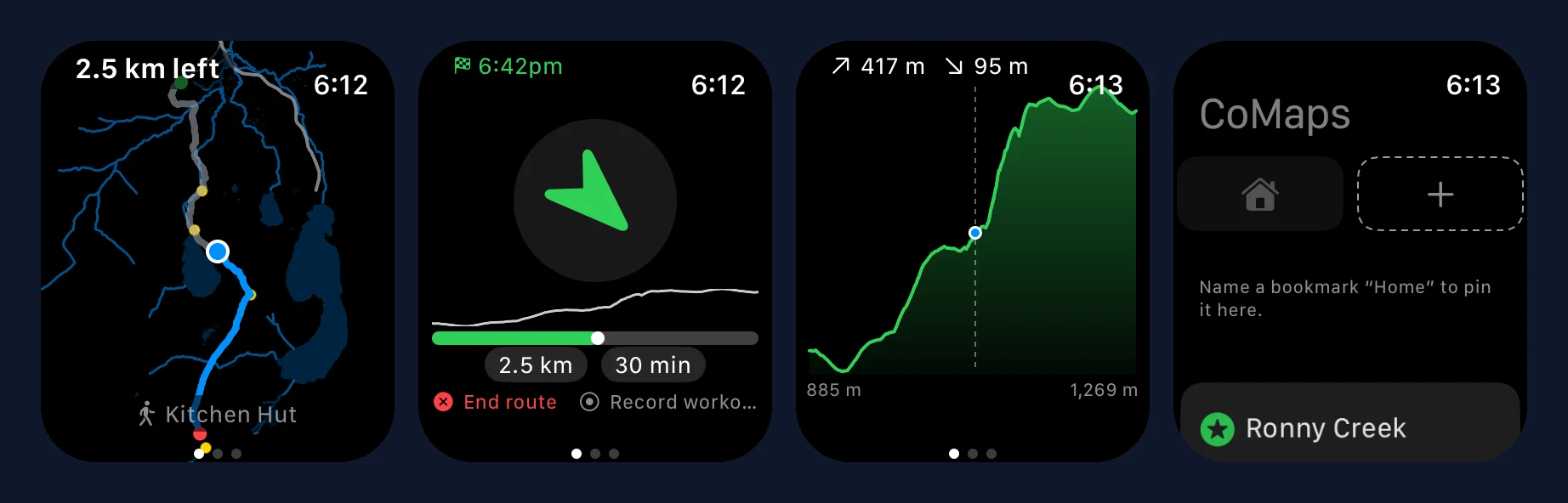
The native Qt build and the toolchain I used to build the CoMaps iPhone app from Linux.
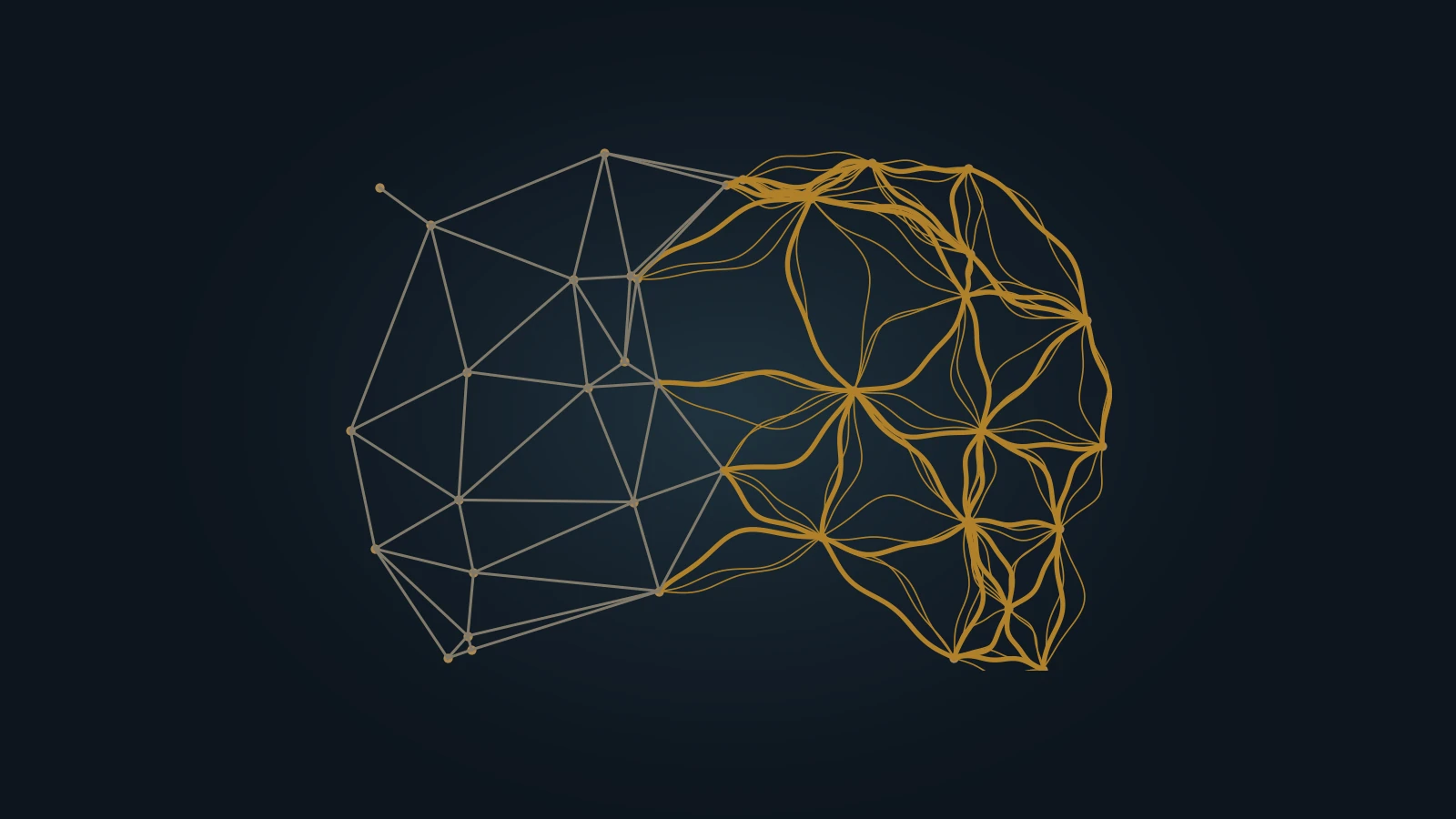
A slime mould with no brain can grow a network comparable to Tokyo’s railway. What would a machine have to remember, learn, and work out before we call it superintelligent?
What attention, decisions, and apparent agreement reveal about governing a continent without a ruler.

The Jetsons imagined a future where machines work and people live. What happens to expertise, authorship, and livelihood when the work really can be handed over?


Structuring International Governance Through the Space of Concerns

The logit models whether something happens within a window. Hazard analysis opens that window and asks when the event occurs.

AI may not only simulate understanding; it may also tempt us into workflows where we produce competent outputs without preserving understanding ourselves.

Why concerns about population growth led to the logistic equation, and how the same curve later became central to probability models.


What does it mean to compute?
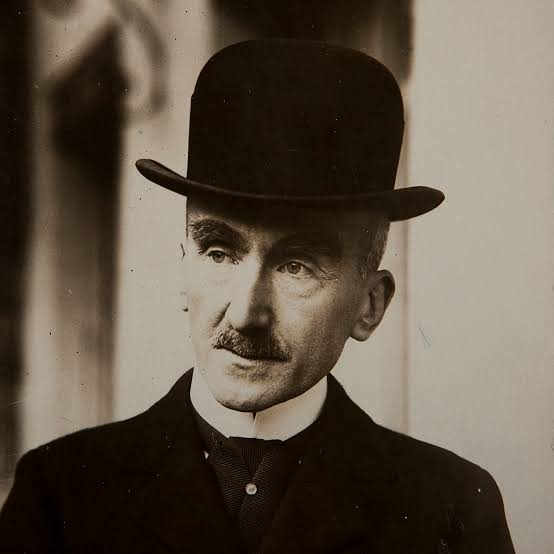
Exploring Henri Bergson's philosophy, its core ideas, and a critical analysis of its stance on irreducibility and reductionism.
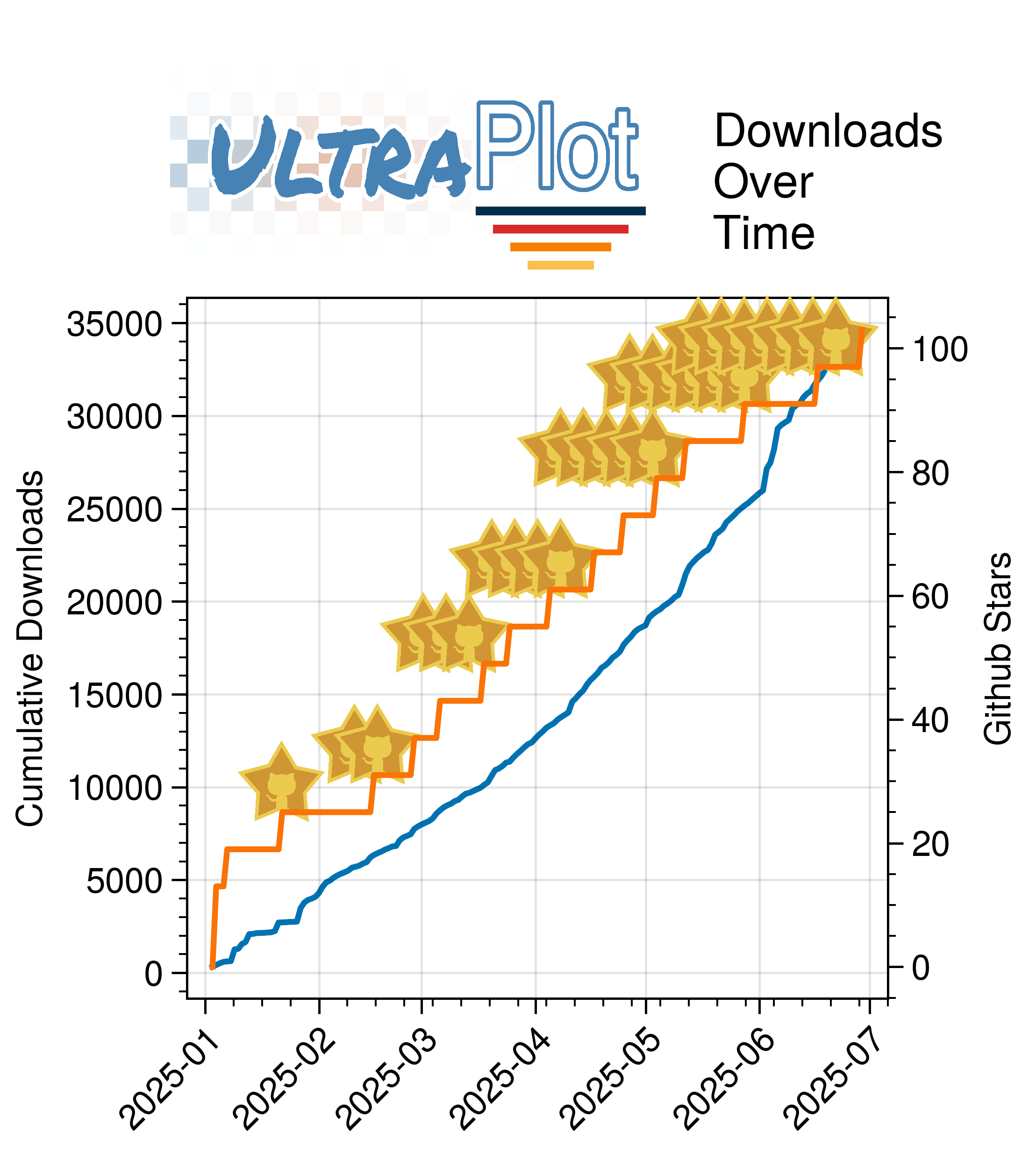
Lessons learned from 6 months of FOSS development

Why do anti-smoking policies take 20 years to work? The answer lies in a phenomenon discovered by studying twisted steel cables in 1881.

In the Realm of Misinformation, Truth is a Slippery Concept.

Small criminal groups are like tiny marbles easily nudged between valleys. As groups grow, they become like bowling balls, settling deep and resistant to disruption.

Utopia or hell? The geopolitics of the Antarctica Treaty System

And how to go vroom vroom without any seg faults
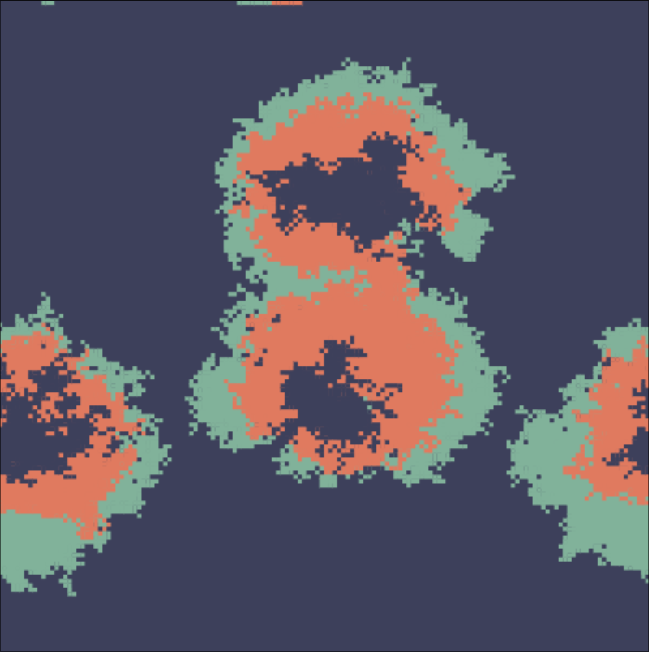
Dive into the complex world of organized crime with insights from complexity science and witness criminal behavior through the interactive simulation.

How to make your code go vroom vroom.
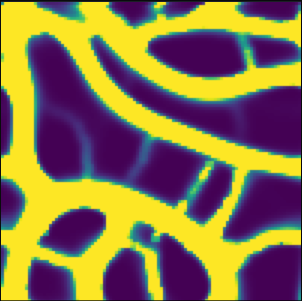
(and how to write a simulator from scratch in D3 and Nim)

Ever wonder what's in the air you breathe while working from home? Follow along as I build a DIY air quality monitor that tracks CO2, dust particles, and more!
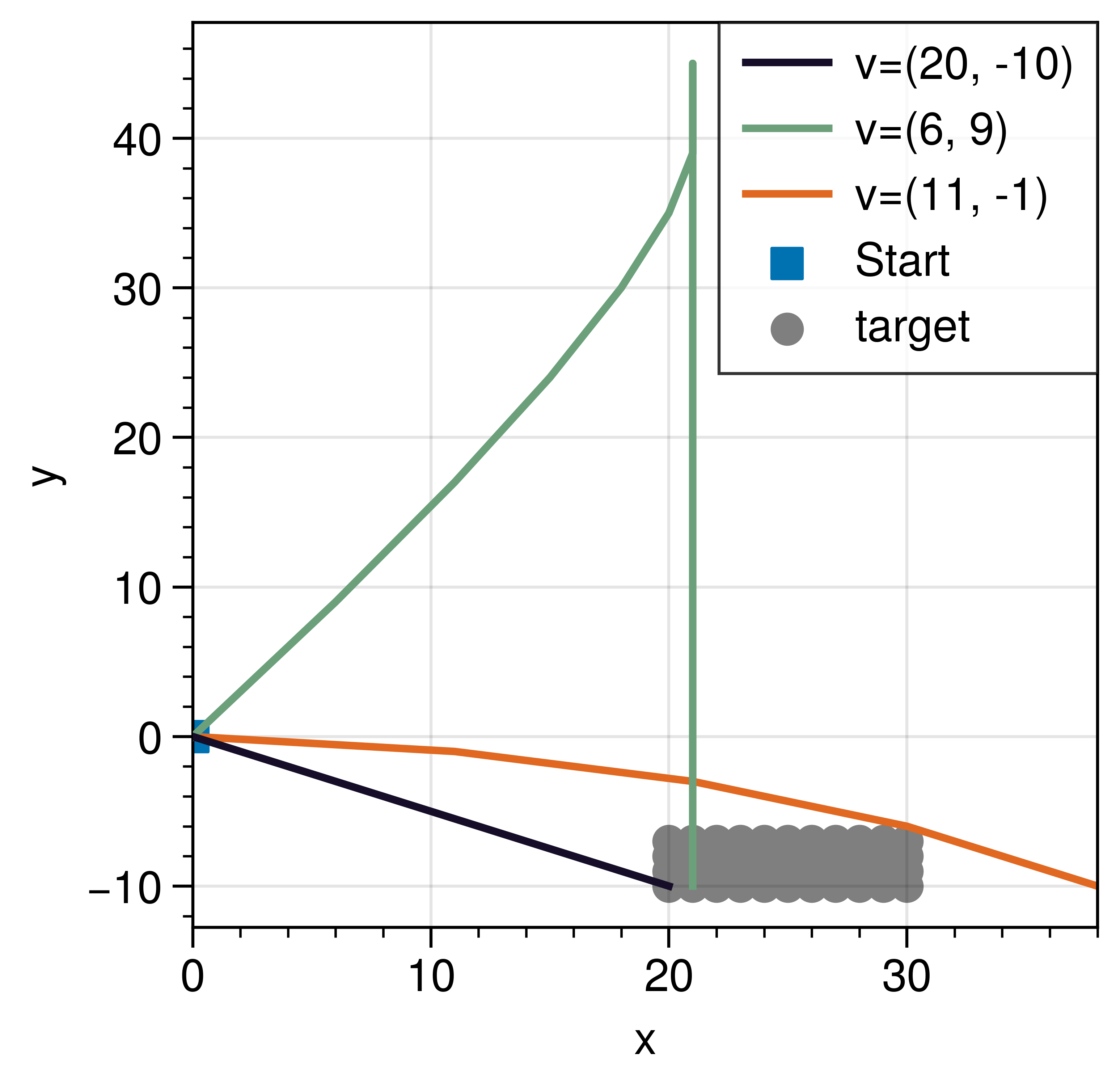
Solving Advent of Code with Nim

The long night of debuging

Become a wrapping master!

Designing and building a splitkeyboard from hardware to firmware!
Wrapping cpp in cython and python
Exploring some neat features I wasn't aware of
Setting up mu4e for office 365 with OAUTH2
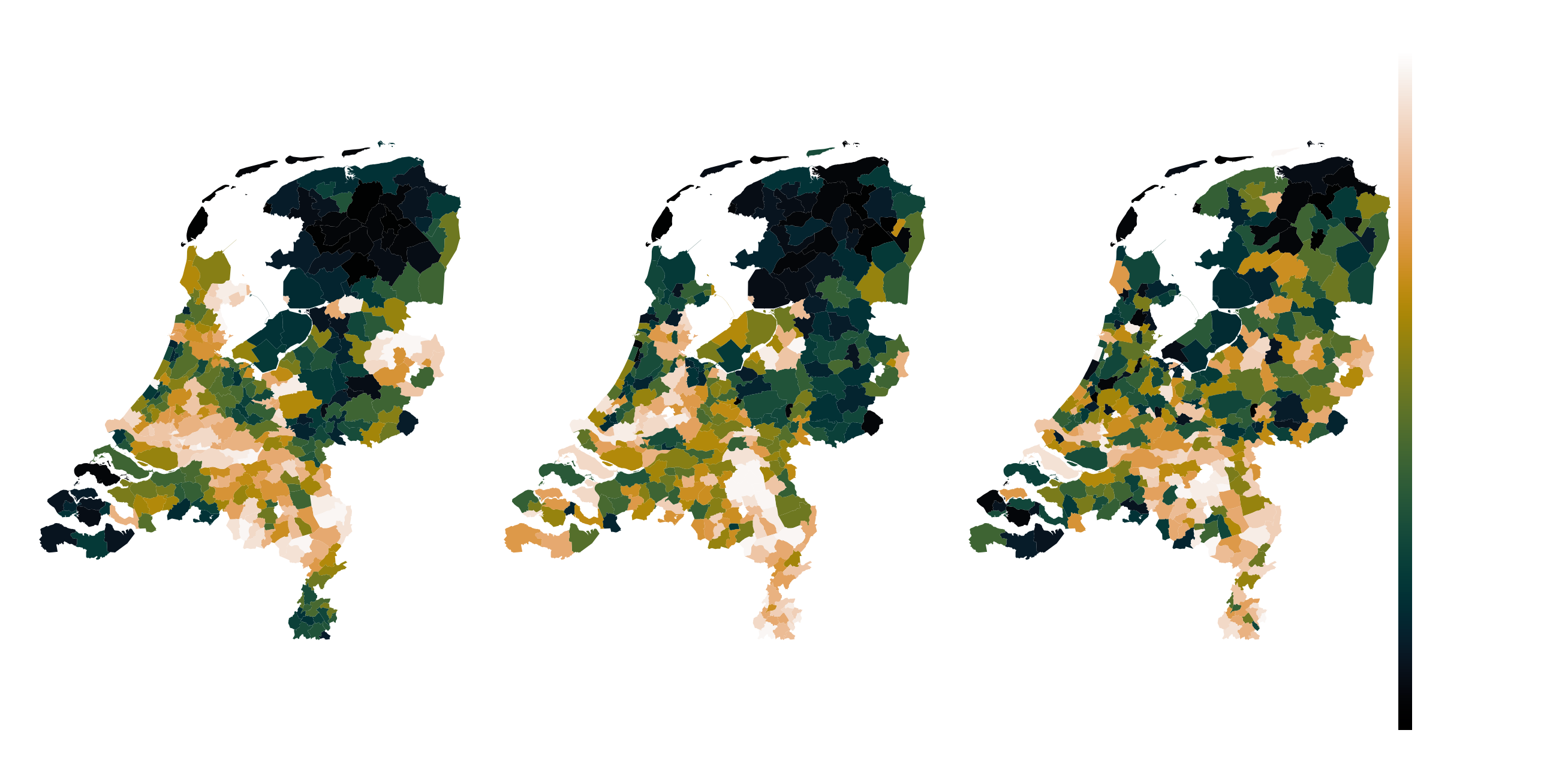
How the pandemic spread through the Netherlands. Click for pretty animations!
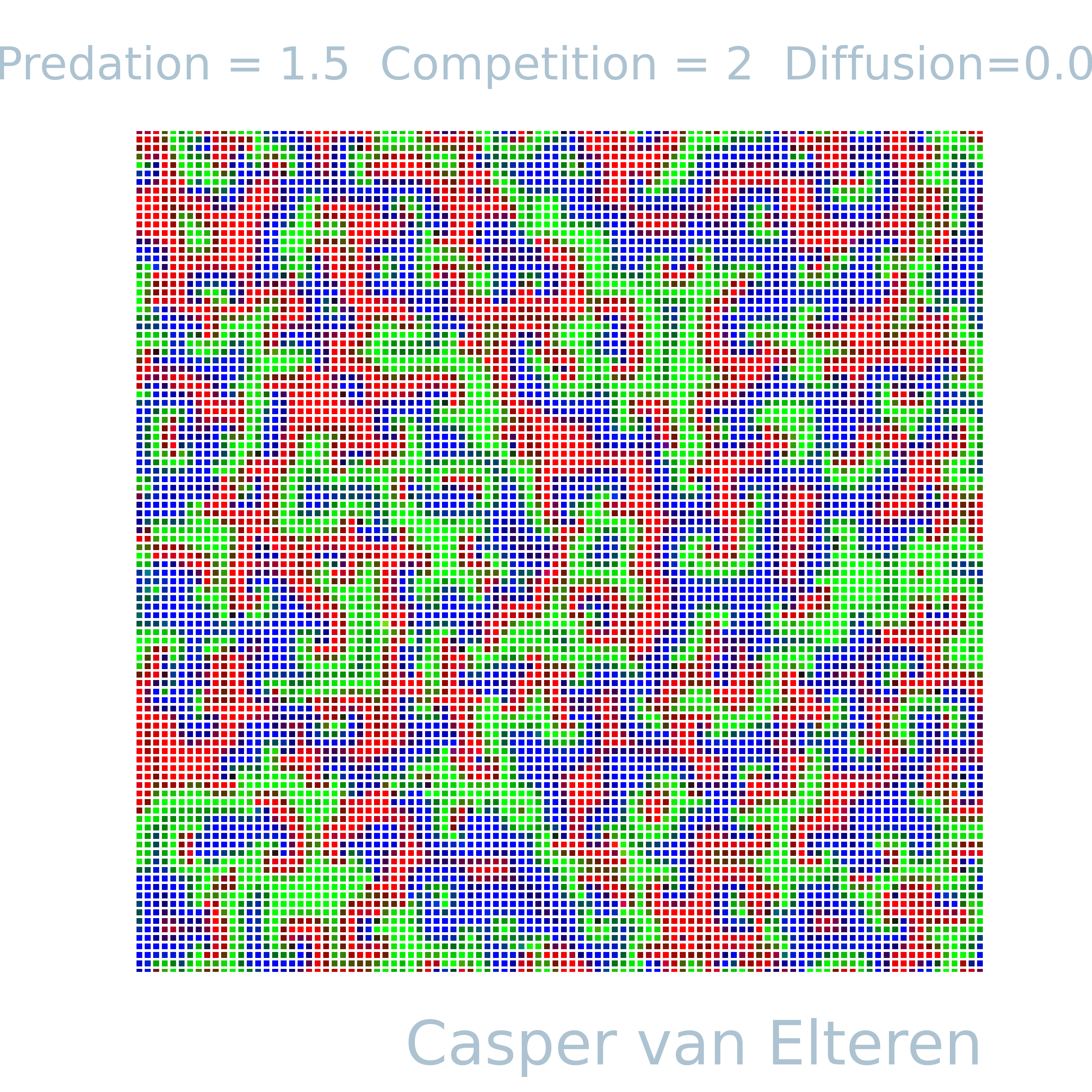
How roschambo can generate fluid-like patterns.
